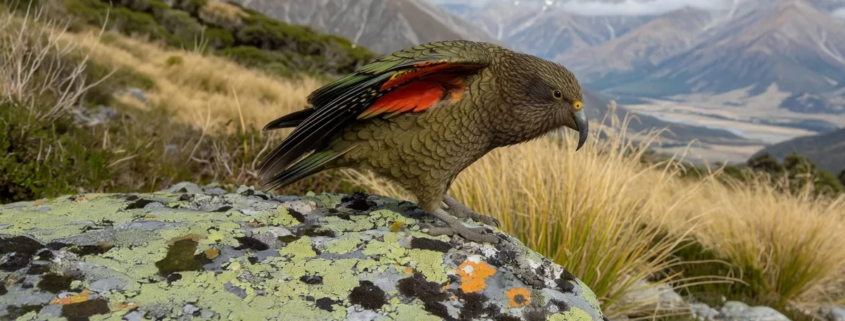
A critique of the research used to justify kea poisoning
J.C. Pollard, 30 August 2026. A critique of the radiotelemetry, nest monitoring and 2018 nest-survival study used to justify aerial 1080 poisoning of kea.

J.C. Pollard, 30 August 2026. A critique of the radiotelemetry, nest monitoring and 2018 nest-survival study used to justify aerial 1080 poisoning of kea.

December 2025 report by J. Pollard on possum-focused control of bovine tuberculosis in New Zealand, with recommendations on independent review, surveillance methods and policy.

Peer-reviewed paper by Joanna C. Pollard in the journal Conservation, 3 September 2025, on shifting New Zealand conservation from aerial poisoning to targeted, humane management.

New Zealand’s ecology has been profoundly altered by human settlement, habitat loss and introduced species. This article argues that effective conservation must begin with protecting habitat, understanding ecological relationships and using evidence-based management. It also examines the growing role of hunters in practical conservation, including wildlife monitoring, population management, track maintenance, pest control and the sustainable use of wild animal resources.

According to OSPRI, the organisation responsible for controlling bovine Tb, 10 years of research have demonstrated “that 1080 can be used to control pests without harming native birds” (Media release, 1/8/23).

The National Party openly admits that its new policy to manage wild pigs and selected other animals as game, not pests, aims to win hunters’ votes.

Scientist Dr. Jo Pollard says DOC’s actions are negligent since previous DOC poisoning drops on the island, had devastating effects with several native bird species being slashed in numbers.
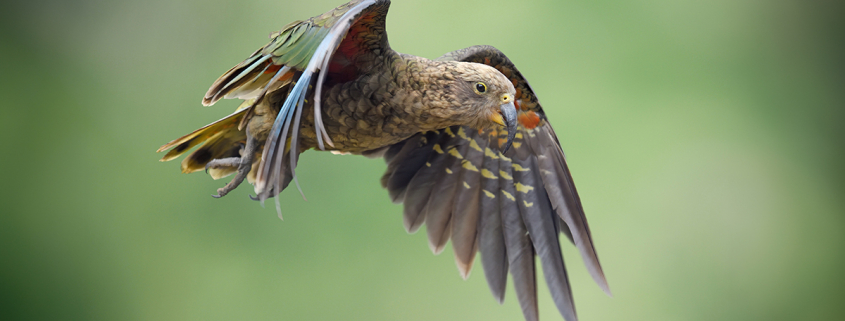
For decades now, DoC (NZ’s Department of Conservation) has been finding that nature is very fast to fill a void. DoC uses widely broadcast, broad-spectrum poisons in its battles with unwanted mammals (mice, rats, possums and stoats).

The Department of Conservation’s (DoC’s) blatant disregard for science was vivid in October. Articles claiming that “1080 benefits outweigh kea deaths” were published in newspapers and online. This claim was based on comments from DoC’s Tom Belton, who had presented work on kea to the West Coast Conservation Board.
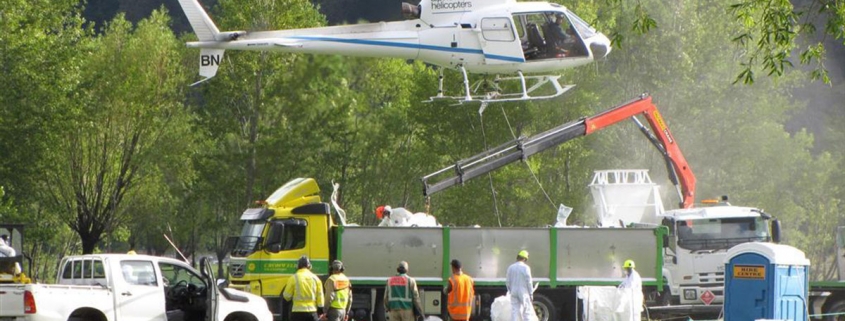
Supporters of NZ’s conservation by aerial poisoning have commonly defended their position with the statement “Look at the science.”Most of the published science on conservation in NZ is accessed readily, appearing in the NZ Journal of Ecology (NZJE). A browse through the issues from the last couple of years reveals glimmers of hope for ecological management, plus some not so nice things. The following is a quick run through.