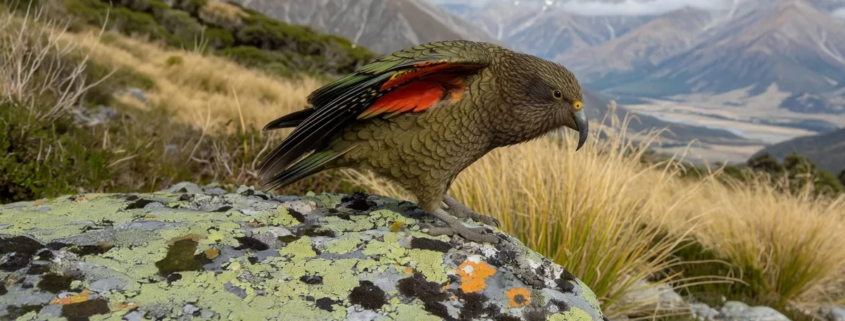
A critique of the research used to justify kea poisoning
J.C. Pollard, 30 August 2026. A critique of the radiotelemetry, nest monitoring and 2018 nest-survival study used to justify aerial 1080 poisoning of kea.

J.C. Pollard, 30 August 2026. A critique of the radiotelemetry, nest monitoring and 2018 nest-survival study used to justify aerial 1080 poisoning of kea.
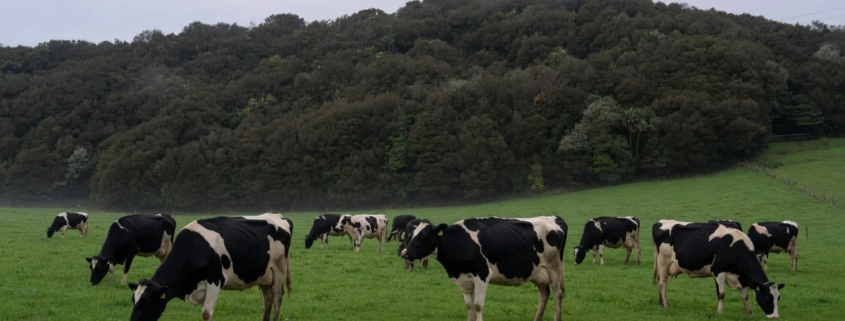
December 2025 report by J. Pollard on possum-focused control of bovine tuberculosis in New Zealand, with recommendations on independent review, surveillance methods and policy.

Peer-reviewed paper by Joanna C. Pollard in the journal Conservation, 3 September 2025, on shifting New Zealand conservation from aerial poisoning to targeted, humane management.

New Zealand’s ecology has been profoundly altered by human settlement, habitat loss and introduced species. This article argues that effective conservation must begin with protecting habitat, understanding ecological relationships and using evidence-based management. It also examines the growing role of hunters in practical conservation, including wildlife monitoring, population management, track maintenance, pest control and the sustainable use of wild animal resources.
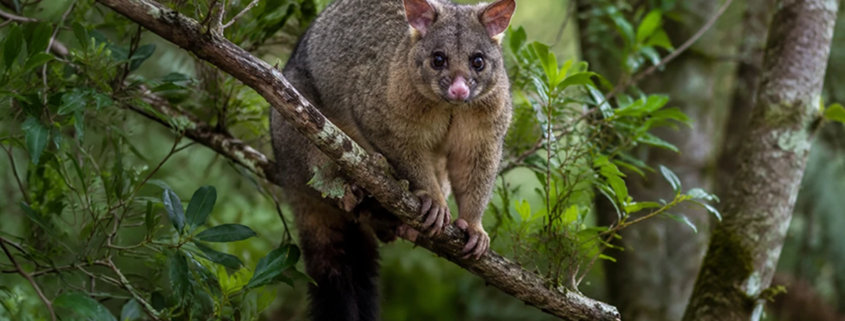
Scientist Dr Pollard calls for an end to the use of 1080 poison and a shift toward humane, science-based management of wild animal populations. She argues that targeted hunting, ecological monitoring and treating introduced animals as valuable resources can provide a more humane approach to conservation.

Tragedy: 550 black-backed gulls accidentally poisoned in Ōkārito, West Coast during predator elimination project. DOC acknowledges the incident and commits to improving future risk assessments.

This report explores the challenges of balancing conservation and economic development under New Zealand’s Resource Management Act. It outlines proposed reforms to ensure transparent governance and better management of Crown lands for the benefit of all New Zealanders.

According to OSPRI, the organisation responsible for controlling bovine Tb, 10 years of research have demonstrated “that 1080 can be used to control pests without harming native birds” (Media release, 1/8/23).

The National Party openly admits that its new policy to manage wild pigs and selected other animals as game, not pests, aims to win hunters’ votes.

Scientist Dr. Jo Pollard says DOC’s actions are negligent since previous DOC poisoning drops on the island, had devastating effects with several native bird species being slashed in numbers.